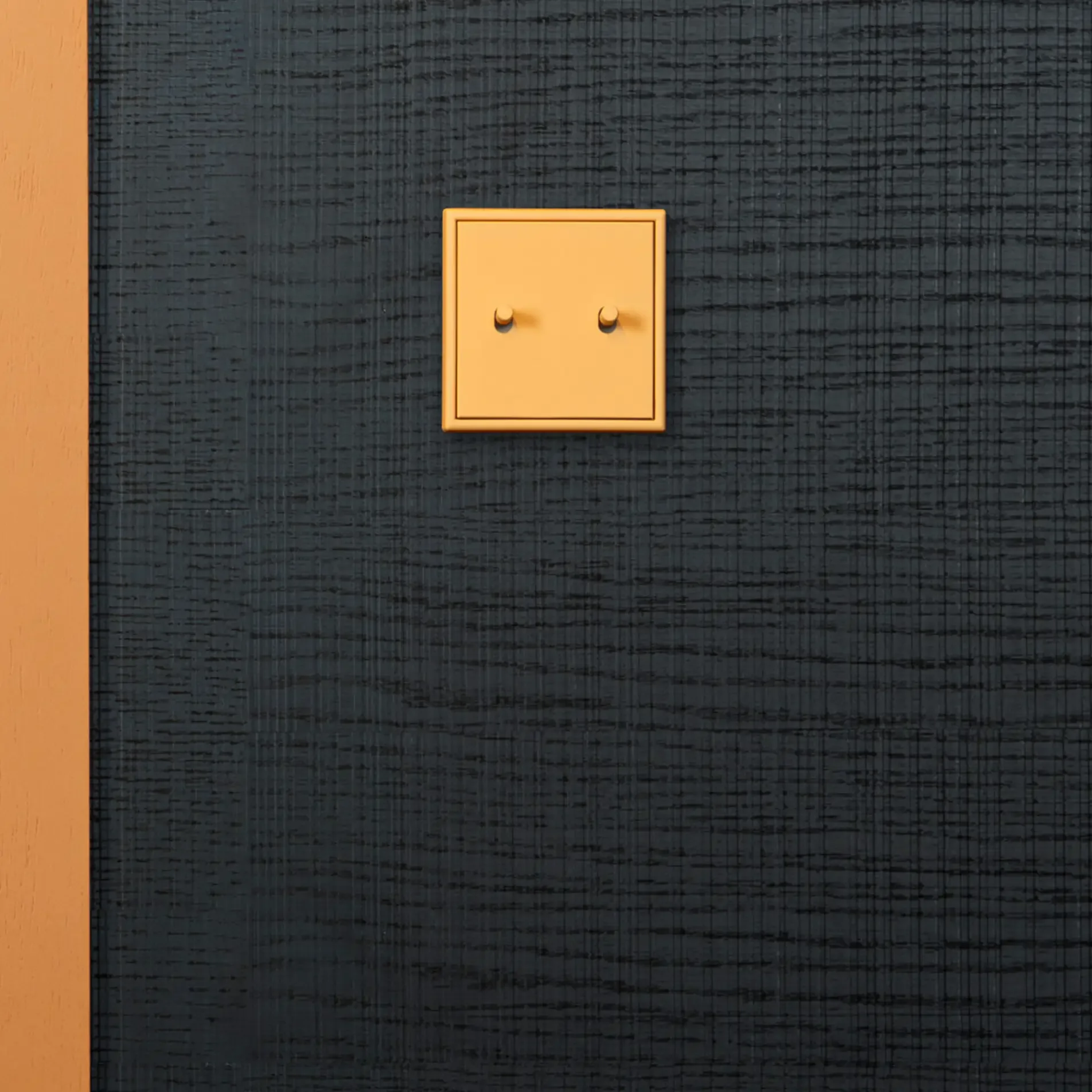



LS 990: a form you never have to get used to
For nearly sixty years the same square has stayed modern. Why a 1968 switch still goes into museums and residences.
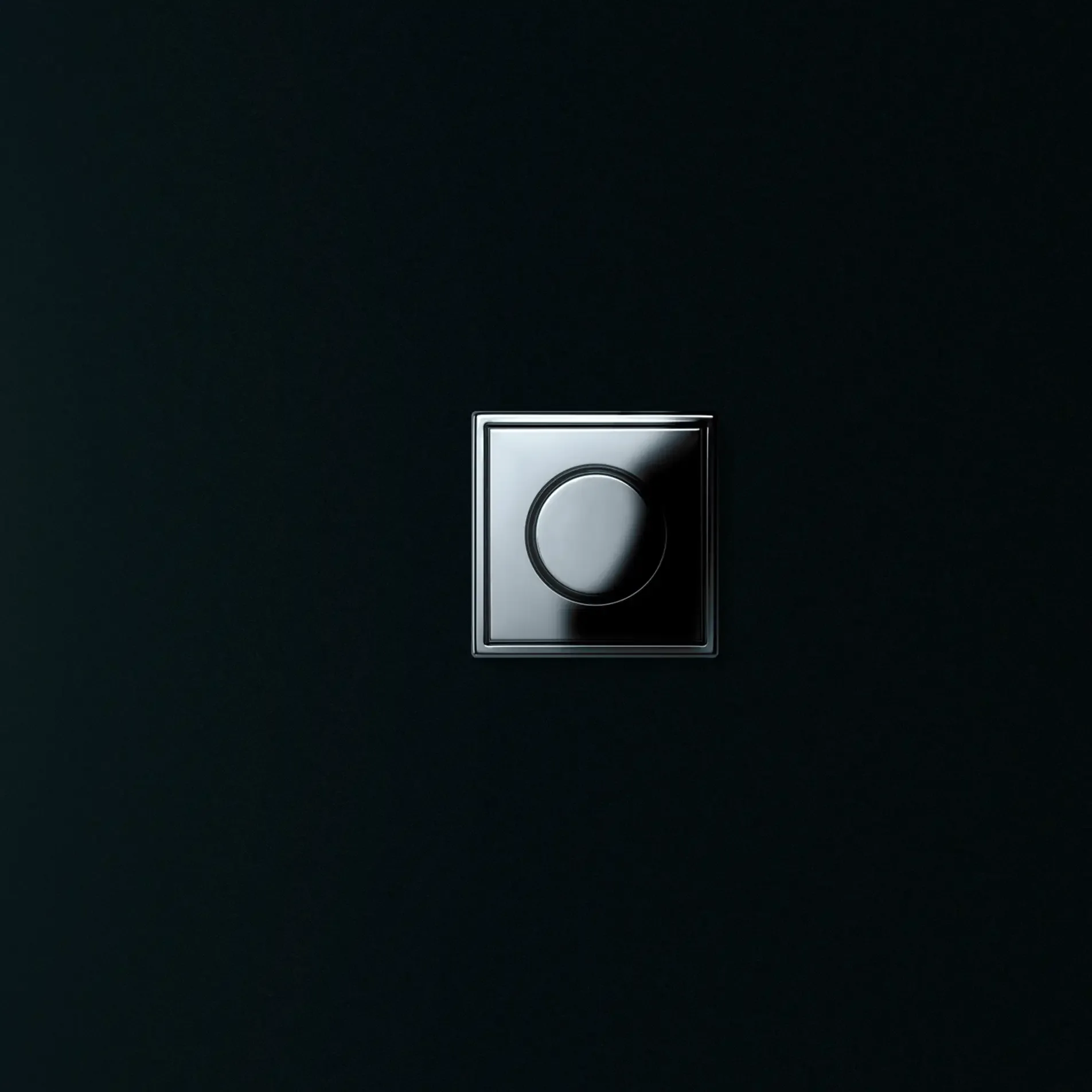
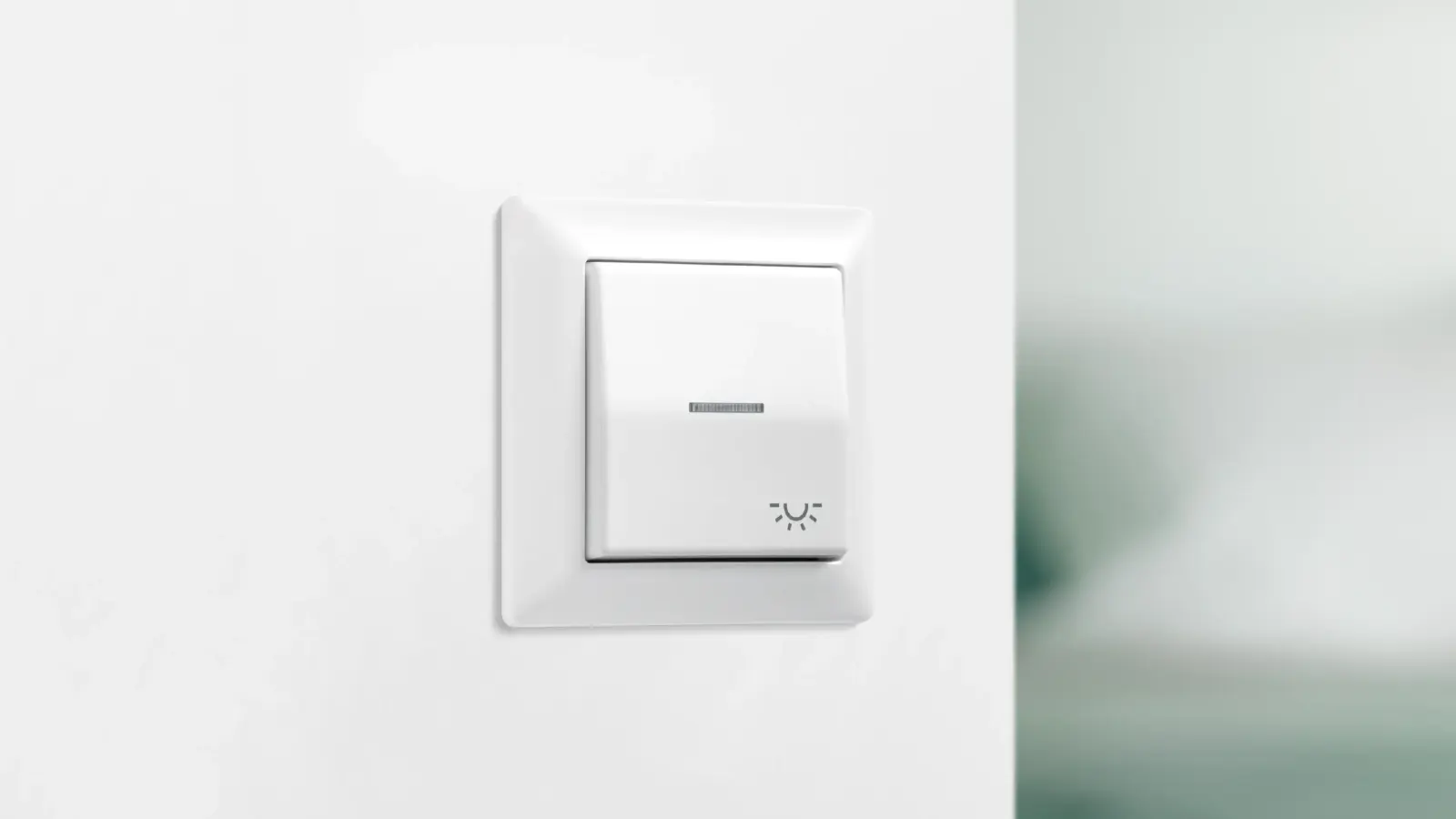
The LS 990 range launched in 1968 and has been produced virtually unchanged ever since. That is the highest compliment a design can get: in half a century nobody found anything to fix.
Geometry derived by engineers
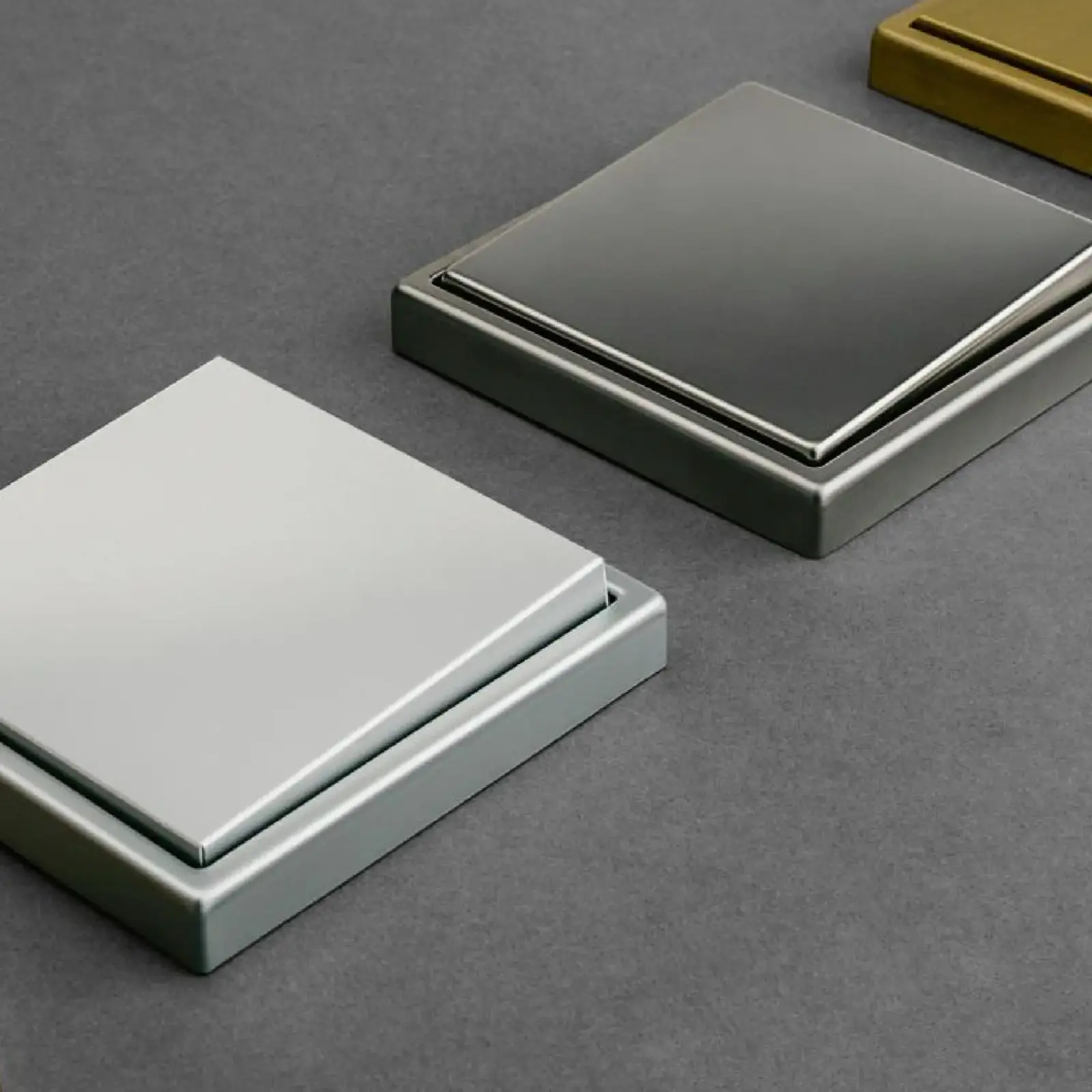
The LS 990 proportions were derived, not drawn. From a 71 mm maximum inner dimension and an 81 mm cover came a 70 × 70 mm rocker with a frame of just 5 mm — maximum operating surface, minimal frame. Graphic designer Herbert W. Richter reduced the form to the elementary Bauhaus figure: an unornamented square.
Genuine metal, not imitation
The classic version is duroplastic, but the metal versions made the range iconic. Not a coating: AlMg1 aluminium, 1.4303 stainless steel, classic and antique brass, chrome and gold.
Where LS 990 lives
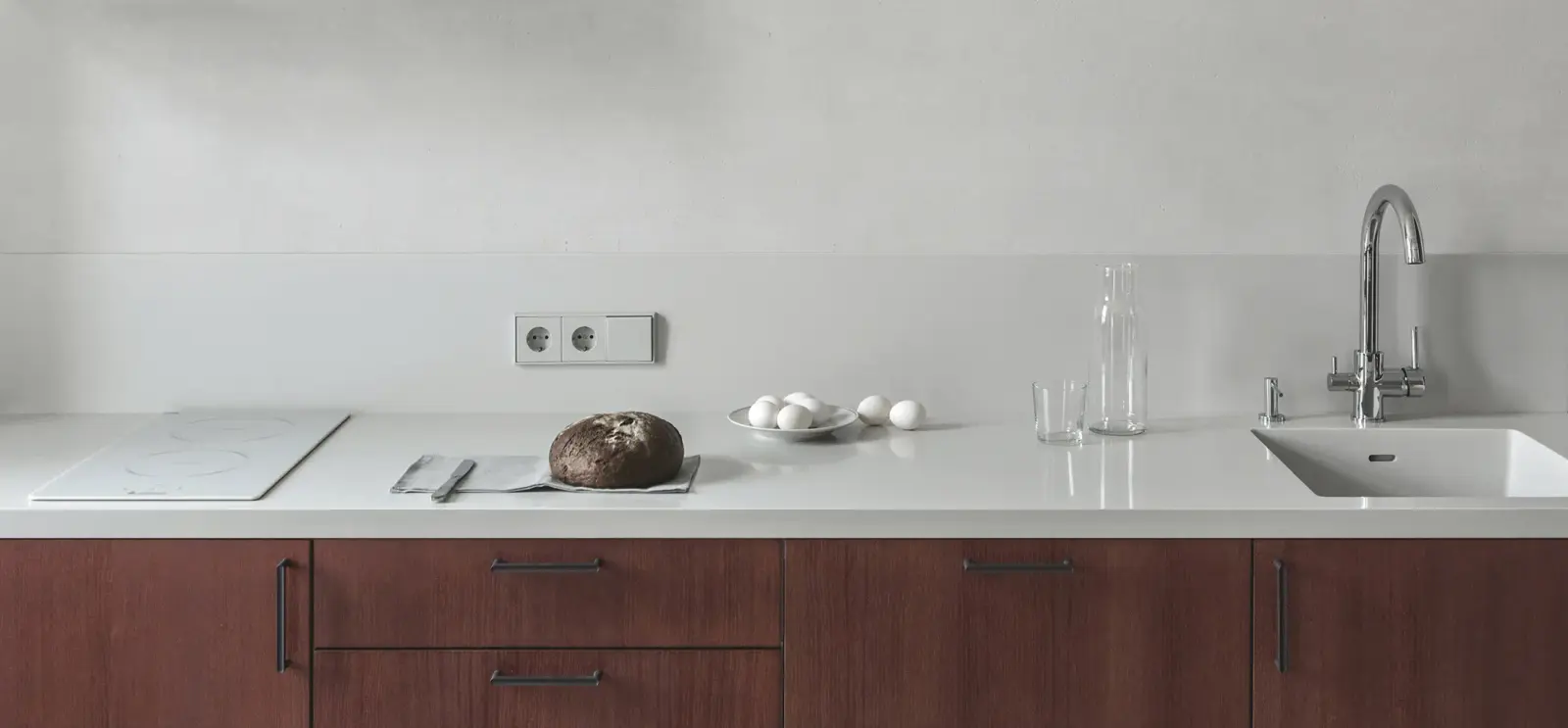
When a building cannot afford a mistake, it chooses this range. Light-grey Lichtgrau in the Berlin Reichstag (Foster + Partners) — a shade Norman Foster requested himself. Black LS 990 in David Chipperfield's James-Simon-Galerie. A near-24-carat gold version in the Ritz-Carlton.
LS 990 is in our Almaty warehouse in plastic, and to order in metal and the 63 Le Corbusier colours.